Designing for a device
that doesn't exist yet.
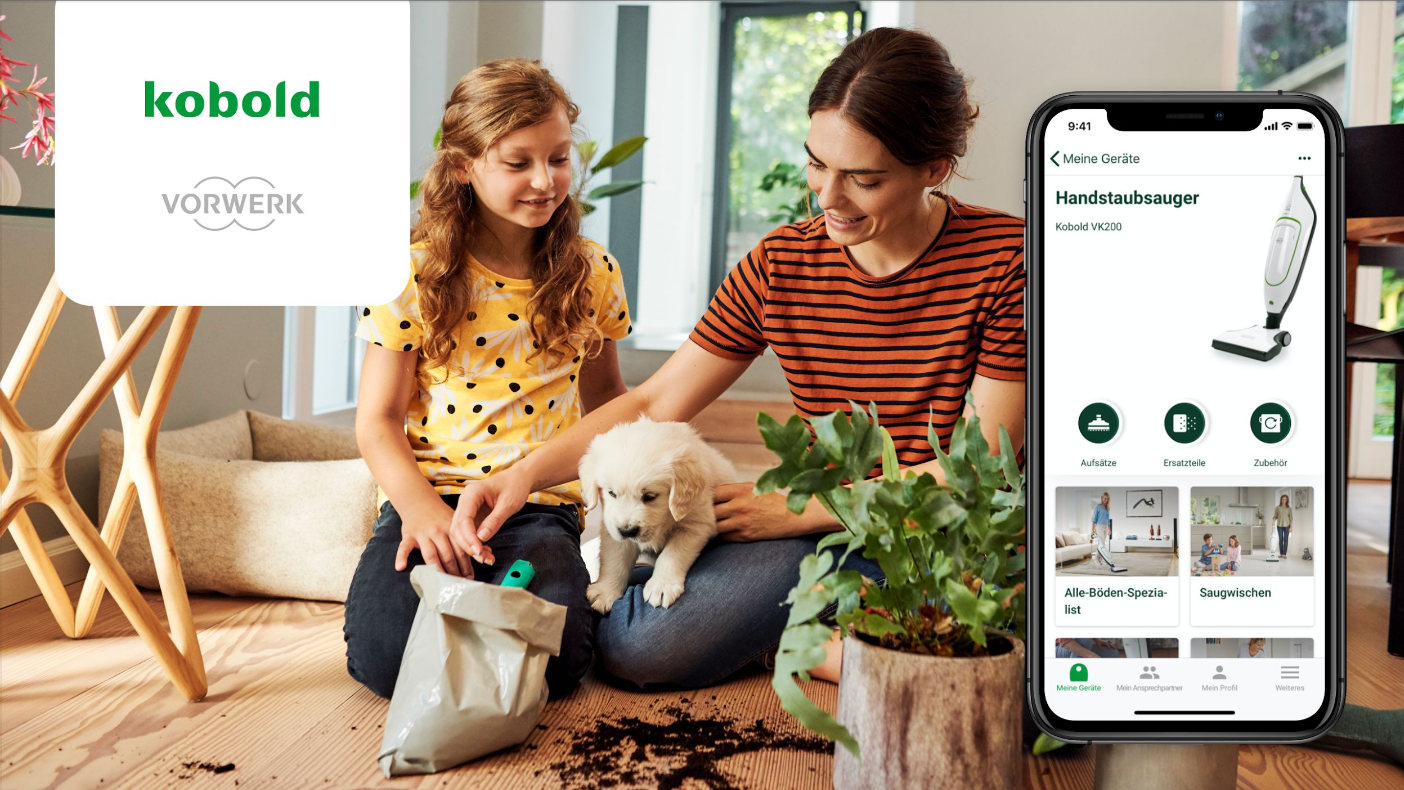
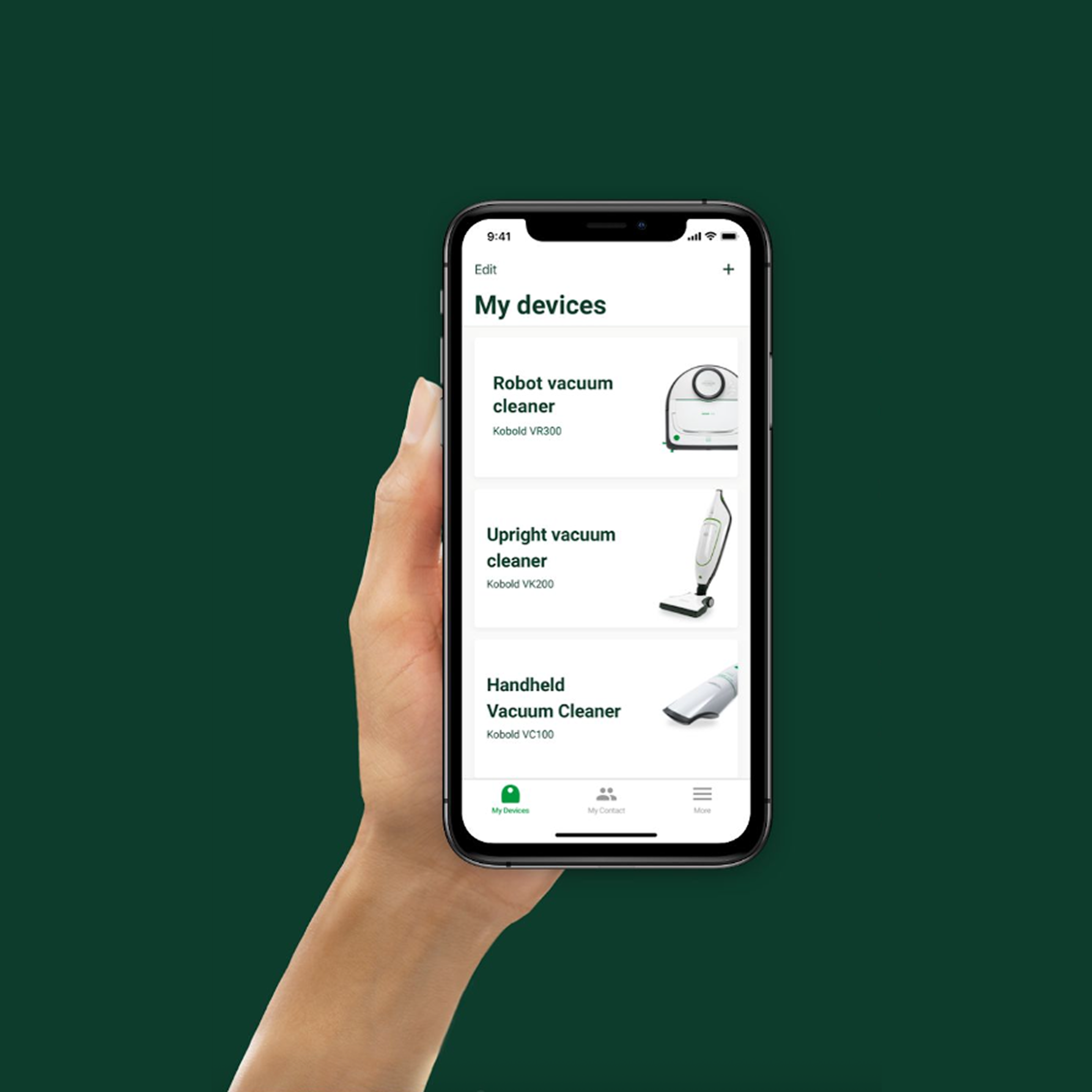
The MyKobold App was live — controlling robot vacuums via Wi-Fi. The next step: add a brand-new upright vacuum connected via Bluetooth, while the device was still in production. A previous attempt had already failed usability testing. The constraints were real — Bluetooth has no persistent connection, the app ships to 70 countries, and both iOS and Android behaviors needed to align.
The Core Challenge
"How do you design a physical-digital connection when the physical half doesn't exist? You borrow a competitor's device and test on yourselves."
Who's cleaning —
and what breaks their flow.
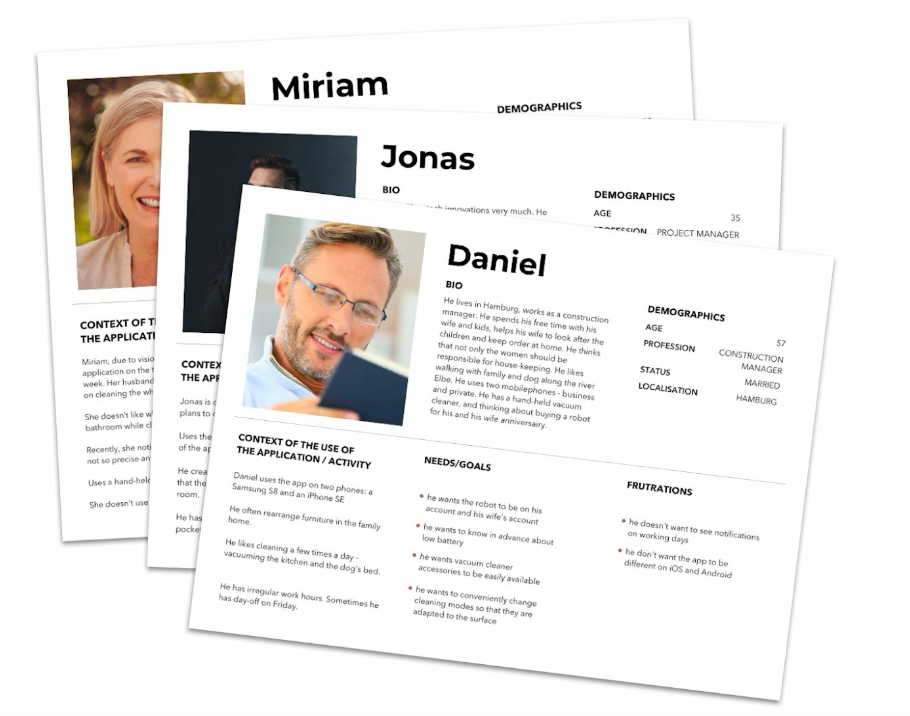
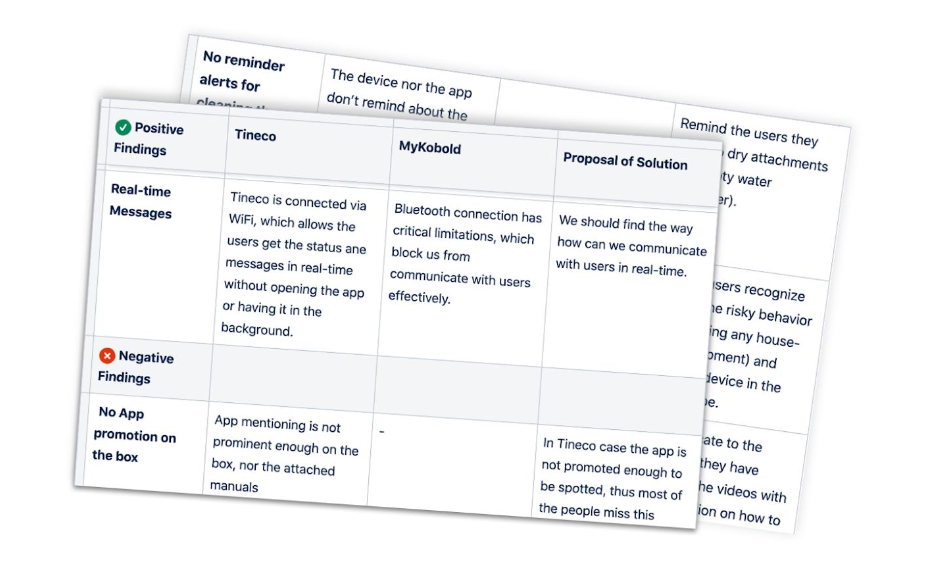
Three personas (Miriam, Jonas, Daniel) captured Vorwerk's global user base — from tech-savvy early adopters to time-poor parents. Competitor benchmarking against Tineco revealed the expectation gap: Wi-Fi gives real-time feedback; Bluetooth doesn't. We needed creative workarounds to close that gap.
Remote, structured,
constraint-first.
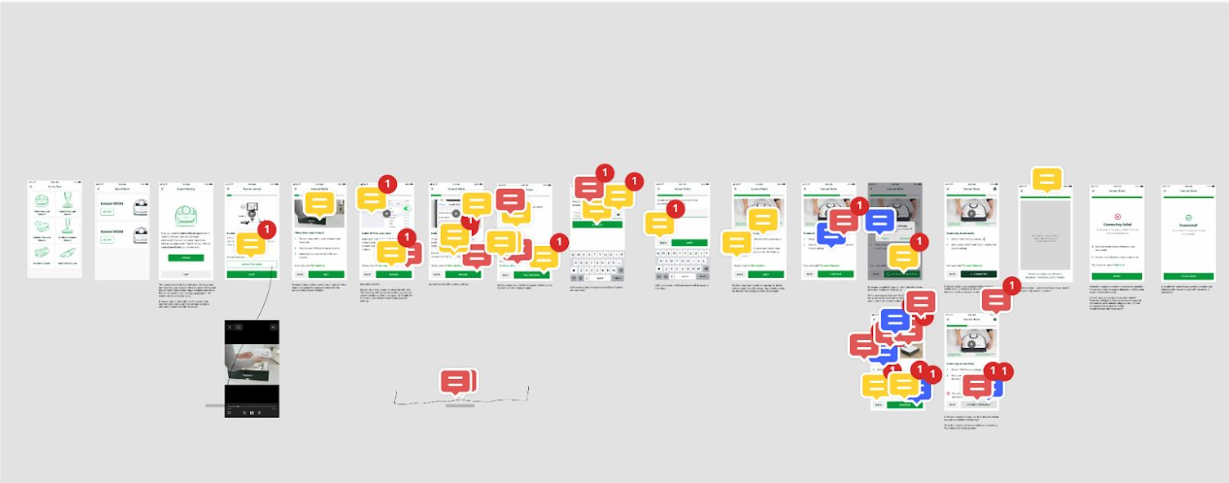
Full lockdown meant everything happened on Miro — every decision, annotation, and constraint captured in one shared board. I aligned two platform teams (iOS + Android) and engineering before touching hi-fi. The flow mapped every possible failure state of Bluetooth, not just the happy path.
Tested in German.
Shipped on two platforms.
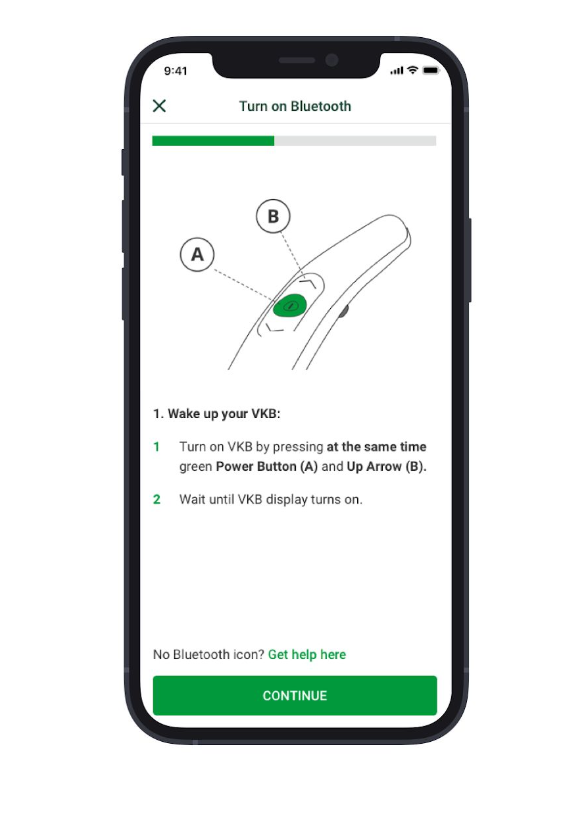
Six participants tested hi-fi prototypes alongside physical handle prototypes — in their native language. The core flow held. Key changes: QR code scanning replaced manual device search, progressive disclosure reduced cognitive load, and illustrated step guides replaced text-heavy instructions. One UX finding — awkward button placement — was formally escalated to hardware engineering.
User Quote
"Basically everything I wanted on each step was there — everything is clear to me."